Watercolor Boho Flowers Sublimation: A Practical Guide to Design Options
Watercolor boho flowers sublimation has become a popular choice for designers, crafters, and small business owners looking to add a soft, natural aesthetic to their projects. This style combines the loose, painterly quality of watercolor art with the earthy, free-spirited feel of boho design, making it a versatile option for everything from wedding invitations to seasonal decor. But how does it compare with other digital design resources, and when is it the right fit for your work? This guide offers a balanced look at what watercolor boho flowers sublimation offers, where it excels, and where you might need a different approach.
Understanding Watercolor Boho Flowers Sublimation
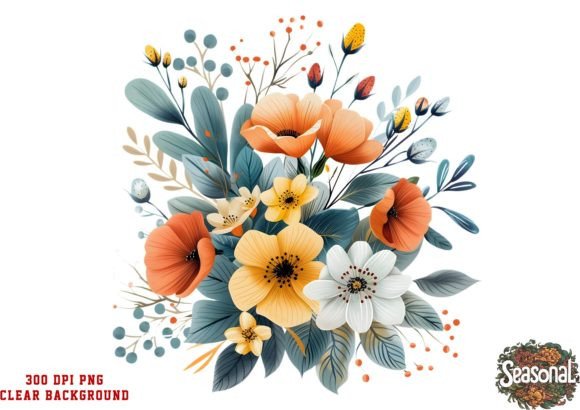
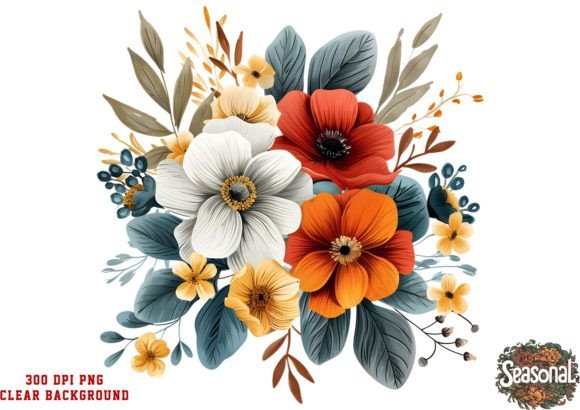
At its core, watercolor boho flowers sublimation refers to digital artwork designed for sublimation printing—a process that transfers dye onto materials like fabric, metal, or ceramic using heat. The artwork itself typically features clusters of wildflowers, botanical elements, and soft color gradients that mimic watercolor painting. The boho influence shows up in the organic shapes, asymmetrical compositions, and muted earth tones mixed with brighter floral hues.
Unlike traditional clipart with solid, hard-edged vector graphics, watercolor boho designs have a softer, more organic feel. The color bleeds and blends naturally, which can make the final printed piece look hand-painted rather than digitally produced. This quality is especially appealing for projects that aim for a handmade, artisanal, or nature-inspired look.
One example from this category is a single clipart piece that includes a plaid and dots background paper alongside the floral elements. This combination allows you to layer textures and patterns, giving your design more depth without needing to source multiple files. The high resolution of 300 DPI ensures that the print remains sharp even when scaled up, which is important for larger projects like posters or signage.
How Watercolor Boho Flowers Compare with Other Design Styles
When evaluating watercolor boho flowers sublimation, it helps to compare it with other common design styles you might consider for your projects. Each has distinct strengths and tradeoffs.
Watercolor versus Flat Vector Illustrations
Flat vector illustrations are clean, scalable, and easy to edit. They work well for modern, minimalist branding or projects where you need precise control over colors and shapes. However, they can feel stiff or generic if you are aiming for an organic, emotional connection. Watercolor boho designs, by contrast, offer a more tactile, artistic quality that flat vectors often lack. The tradeoff is that watercolor files are typically raster images (PNG, JPEG) rather than editable vectors, so resizing beyond their native resolution can result in pixelation—though the 300 DPI resolution helps mitigate this.
Watercolor Boho versus Photographic Floral Images
Photographs of flowers provide realism that watercolor cannot match. If your project requires lifelike detail—for example, a botanical poster or a nature guide—photography is the better choice. But photographs can be harder to blend into design compositions because of their rigid backgrounds and lighting inconsistencies. Watercolor boho flowers, especially those with transparent backgrounds in PNG format, integrate seamlessly into larger designs. You can layer them over backgrounds, text, or other elements without the distraction of a white box or misaligned shadows.
Watercolor Boho versus Patterned Background Papers
Some design resources offer standalone background papers with patterns like stripes, plaids, or dots. These are excellent for creating consistent, repeating backgrounds. The watercolor boho flowers sublimation set that includes both floral clipart and patterned papers offers a middle ground—you get the versatility of a pattern alongside the focal point of the flowers. This can save time when you need a cohesive look without manually matching backgrounds and foreground elements.
Strengths and Best-Fit Situations
Watercolor boho flowers sublimation works particularly well in several common design scenarios.
Wedding and Event Stationery. The soft, romantic quality of watercolor boho flowers makes them a natural fit for save-the-dates, invitations, programs, and thank-you cards. The boho aesthetic pairs well with rustic, garden, or outdoor themes. Because sublimation printing can be applied to fabric, you can extend the same design to table runners, napkins, or even bridal party accessories.
Seasonal and Holiday Projects. As noted in the product description, the files are designed for those who want to celebrate the flower season. Spring-themed projects like garden party invitations, Easter decor, or Mother’s Day gifts benefit from the bright yet soft color palette. The plaid and dot backgrounds can also lend a touch of seasonal charm without overwhelming the floral elements.
Small Business Branding. If you run a boutique, a floral shop, or a wellness brand, watercolor boho flowers can help establish a gentle, approachable visual identity. You can use the clipart on product labels, packaging, social media graphics, and website banners. The sublimation format is especially useful if you create physical products like tote bags, mugs, or apparel, as the design transfers directly onto the substrate.
DIY and Craft Projects. For individual crafters, having a single high-quality clipart file simplifies the design process. You can use it in programs like Canva, Photoshop, or PowerPoint to create custom gifts, home decor, or scrapbook pages. The PNG format with a transparent background means you don’t need advanced editing skills to layer the flowers over your chosen background.
Tradeoffs and Limitations to Consider
No design resource is perfect for every situation, and watercolor boho flowers sublimation has a few tradeoffs worth considering.
Single Clipart Limitation. The product mentioned includes only one clipart file. While that single piece is designed to be versatile, it may not provide enough variety for larger projects that need multiple floral arrangements, different angles, or a range of flower types. If you are designing a multi-page booklet or a collection of products with distinct themes, you might need to purchase additional sets or supplement with other resources.
File Format Constraints. The PNG format is widely compatible, but it is a raster format. This means the design cannot be easily separated into individual elements or recolored in the same way an SVG or AI file can. If you need to change the color of the flowers or remove specific stems, you would need to edit the image in a raster graphics program, which can be time-consuming. For users who want maximum flexibility, a layered PSD or an editable vector file might be preferable.
Sublimation Printing Requirements. Sublimation printing itself has specific requirements. It works best on polyester fabrics or polymer-coated surfaces, and it requires a heat press or sublimation oven. If you plan to print on cotton or dark materials, standard sublimation will not produce good results. You would need to use a different printing method, such as direct-to-garment or screen printing, or choose a different design format altogether.
Style Relevance. The boho aesthetic is not for everyone or every brand. If your project calls for a more modern, minimalist, or industrial look, watercolor boho flowers may feel out of place. The soft, organic style can also be perceived as overly feminine or casual, which might not suit corporate, medical, or technical audiences.
When to Choose Watercolor Boho Flowers Sublimation
Based on the strengths and tradeoffs, here are some situations where watercolor boho flowers sublimation is likely the right choice:
- You need a single, high-quality floral design that can be used across multiple products or platforms.
- Your project has a natural, romantic, or rustic theme, such as a boho wedding or a spring festival.
- You are using sublimation printing and want a design that transfers well onto fabric or coated surfaces.
- You value a hand-painted, artistic look over a crisp, vector-based appearance.
- You work with design software that supports PNG files and do not need advanced editing capabilities like layer separation.
When You Might Need Another Option
In other situations, you may want to explore alternatives:
- If you need multiple floral arrangements or a variety of flower species, look for a larger clipart bundle.
- If you require editable colors or scalable vector graphics, choose SVG or AI files instead of PNG.
- If you are printing on cotton or dark fabrics, consider a different type of transfer paper or a design format suitable for other printing methods.
- If your brand or project calls for a clean, modern, or minimalist style, flat vector illustrations or geometric patterns may serve you better.
Practical Tips for Getting the Most Out of This Style
If you decide that watercolor boho flowers sublimation fits your needs, there are a few ways to maximize its value.
First, consider how you can layer the clipart with other elements. The transparent PNG background allows you to place the flowers over patterned or textured backgrounds, such as the plaid and dots papers that come with the set. Experiment with scaling, rotation, and opacity to create a composition that feels dynamic rather than static.
Second, think about the end use. For sublimation on fabric, ensure your substrate is at least 50% polyester for vibrant, lasting color. For hard surfaces like mugs or coasters, confirm that they have a polymer coating designed for sublimation. If you are printing on paper, any high-quality inkjet paper will work, and the 300 DPI resolution will produce crisp details.
Third, test the design before committing to a large run. Print a sample on the actual material you plan to use, and check for color accuracy, sharpness, and overall appearance. Watercolor designs can sometimes look darker or lighter after sublimation due to the heat transfer process, so a test print helps you adjust the file if needed.
Evaluating the Overall Value
Watercolor boho flowers sublimation offers a specific look and feel that suits a particular range of projects. Its main strengths are the artistic, organic aesthetic and the ease of use with sublimation printing. The main tradeoffs are the limited number of designs in a single purchase, the raster file format, and the style constraints.
When you compare it with other design options, the decision comes down to match with your project goals, your printing method, and your audience. For a spring-themed wedding, a garden party, or a boho-inspired product line, this style can deliver a cohesive, professional result without requiring advanced design skills. For projects that need more variety, different color control, or a different aesthetic, you will want to look at other types of clipart or design resources.
Ultimately, understanding these tradeoffs helps you make an informed choice rather than relying on guesswork. Whether you choose watercolor boho flowers sublimation or another style, the key is to align the design resource with the message and mood you want your project to convey.